
Colorado Felony Records
Colorado felony records document serious criminal offenses punishable by imprisonment in state prison. These records are maintained by multiple agencies across the state. The Colorado Bureau of Investigation serves as the central repository for criminal history records. District Courts in each of the 22 judicial districts maintain case files for felony prosecutions. C.R.S. § 24-72-301 et seq., known as the Colorado Criminal Justice Records Act, governs public access to these documents. You can search felony records through official state databases, court portals, and in-person requests at clerk offices.
Colorado Felony Records Quick Facts
Where to Find Colorado Felony Records
You have several options for locating felony records in Colorado. State agencies maintain different types of records. Each source serves a unique purpose. The Colorado Bureau of Investigation keeps the official criminal history database. District Courts store case files and court documents. The Department of Corrections tracks current inmates and parolees. Knowing which agency has what you need will save time and effort.
Start with the CBI Internet Criminal History Check for statewide name-based searches. This system provides instant results for $6.00 per search. Court records require different approaches. CoCourts.com offers real-time docket access for most counties. Denver County maintains its own portal at public.denvercountycourt.org. In-person visits work best when you need certified copies or complete case files that may not be online.
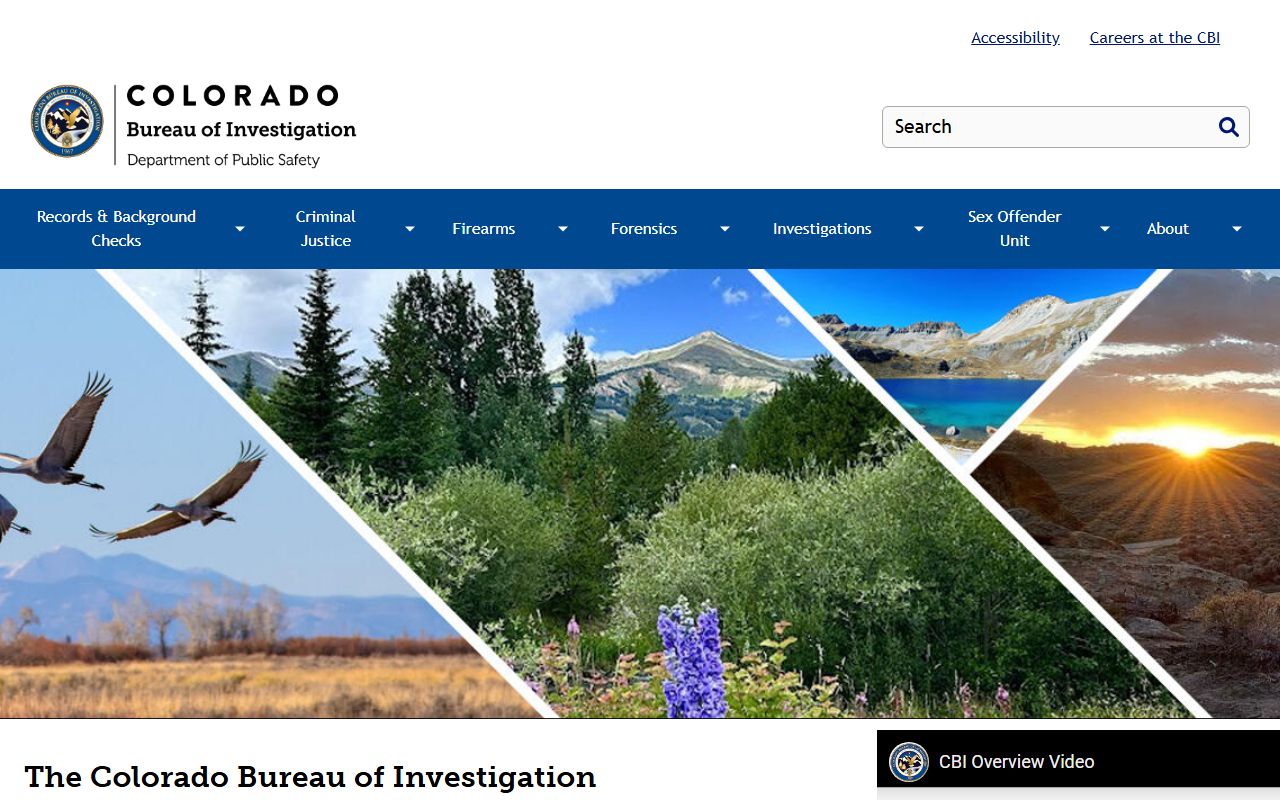
Key agencies for felony records in Colorado include:
- Colorado Bureau of Investigation: Criminal history and background checks
- District Courts: Case files, dockets, and court documents
- Department of Corrections: Inmate and parolee information
- Sex Offender Registry: Felony sex offender tracking
CBI Internet Criminal History Check
The Colorado Bureau of Investigation operates the Internet Criminal History Check system. This is the fastest way to search felony records statewide. The ICHC provides name-based criminal history checks from CBI records only. Results appear instantly after payment. Each search costs $6.00. You pay for each name you search. Multiple matches may appear for common names.
The ICHC system shows arrests, charges, and dispositions for Colorado offenses only. It does not include federal crimes or records from other states. Juvenile records remain confidential and do not appear. Sealed records are hidden from public view. The system updates regularly but may not reflect arrests from the past 24 hours. Visit cbi.colorado.gov to access the ICHC portal.
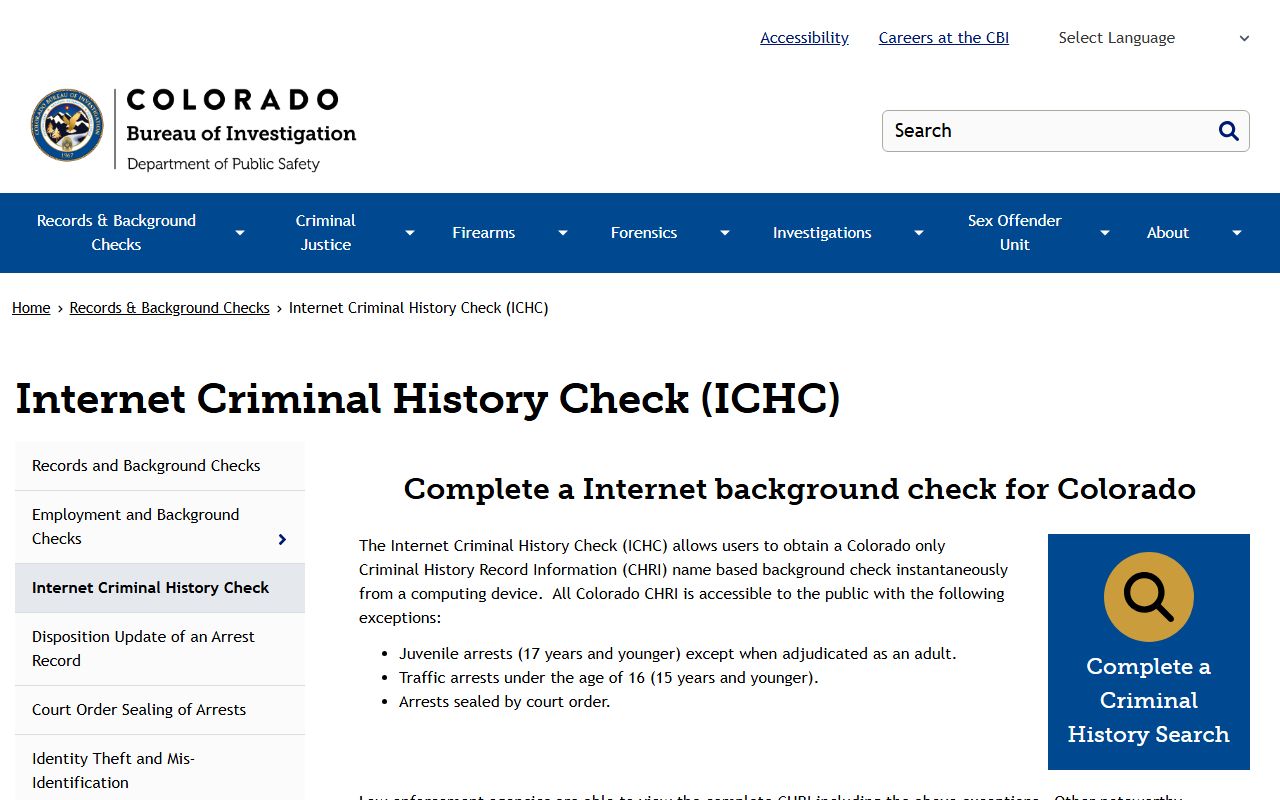
Important limits apply to ICHC results. You cannot get ICHC results notarized. Employers cannot use ICHC for most hiring decisions. The system follows C.R.S. § 24-72-305.5 which prohibits using records for solicitation purposes. For fingerprint-based checks, use the CBI Records Check Portal at cbirecordscheck.com. These checks include both state and FBI records and can be notarized.
Colorado Court Records
District Courts handle all felony cases in Colorado. Each of the 64 counties falls within one of 22 judicial districts. The District Court maintains case files for every felony prosecution. These files include complaints, motions, hearing records, and disposition orders. C.R.S. § 24-72-301 et seq. governs access to these records. Most court records are public unless sealed by judicial order.
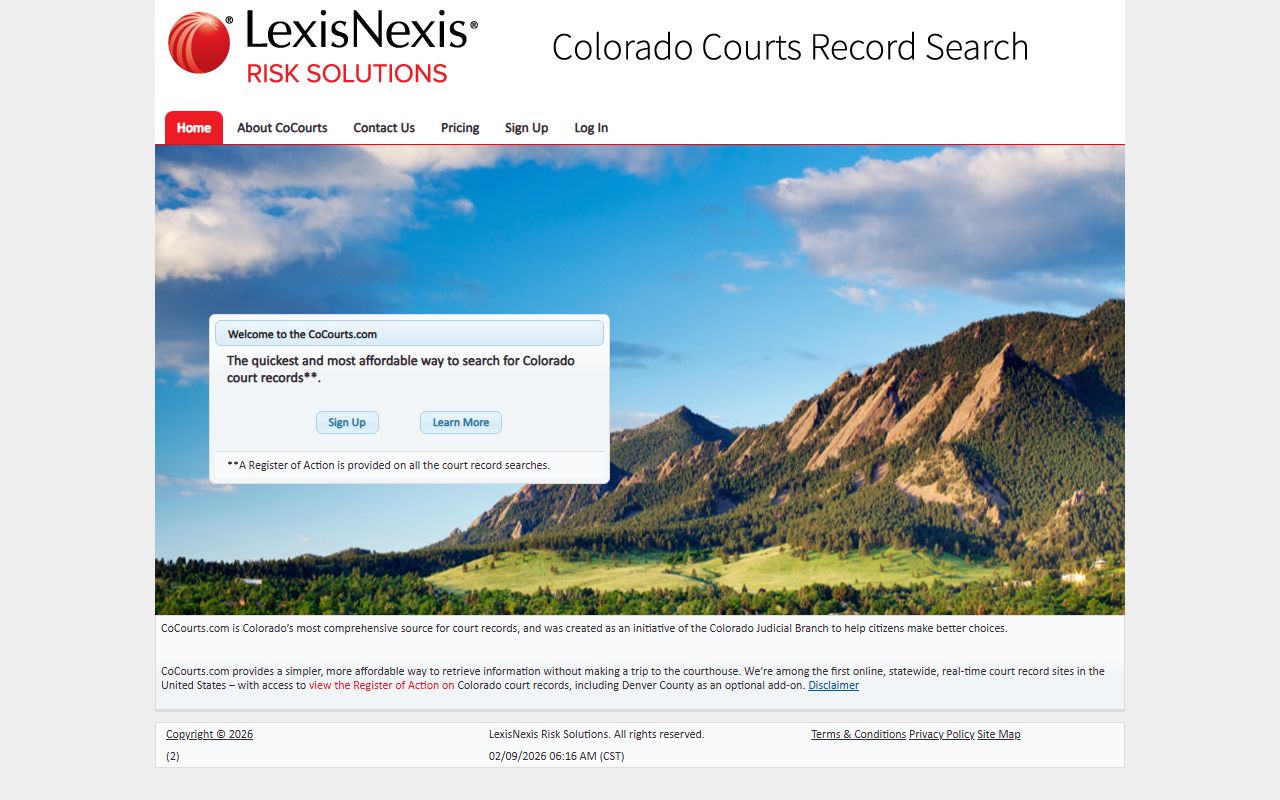
CoCourts.com provides online access to court dockets across Colorado. This service operates through LexisNexis Risk Solutions. It offers real-time access to case information from most district and county courts. Denver County is available as an optional add-on. The system shows party names, case numbers, charges, and hearing dates. Visit cocourts.com to start your search. Fees apply for document access.
The Colorado Judicial Branch maintains official court records at coloradojudicial.gov. The Public Access to Court Records page provides guidance on requesting documents. The State Court Administrator office is located at 1300 Broadway, Denver, CO 80203. Phone 720-625-5000 for general information. Each district court has its own clerk office where you can request files in person.
Types of Felony Records in Colorado
Colorado felony records include several document types. Each serves a different purpose. Criminal history records show arrests and convictions across the state. Court case files contain detailed documents from specific prosecutions. Inmate records track current prisoners. Warrant records show active legal orders for arrest.
Criminal history records come from the CBI database. These show all arrests reported to state police. Records include the date of arrest, charges filed, and case outcomes. Dispositions show whether charges were dismissed, reduced, or resulted in conviction. These records follow the person across all Colorado counties. They provide the broadest view of criminal activity.
Court case files contain the actual legal documents. These include the charging document, motions filed by attorneys, hearing transcripts, and the final judgment. Case files show the full legal process. They reveal more than just the outcome. You can see delays, continuances, and procedural history. District Court clerks maintain these files. Most files are public unless sealed.
Felony Classifications in Colorado
Colorado divides felonies into six classes under C.R.S. § 18-1.3-401. Each class carries different sentencing ranges. Class 1 felonies are the most serious. Class 6 felonies are the least serious. The classification determines the presumptive prison sentence. Judges can adjust sentences based on aggravating or mitigating factors.
Here are the presumptive sentencing ranges for each felony class:
- Class 1 Felony: Life imprisonment or death penalty
- Class 2 Felony: 8 to 24 years imprisonment
- Class 3 Felony: 4 to 12 years imprisonment
- Class 4 Felony: 2 to 6 years imprisonment
- Class 5 Felony: 1 to 3 years imprisonment
- Class 6 Felony: 1 to 1.5 years imprisonment
Drug felonies use a separate classification system. Level 1 drug felonies carry the harshest penalties. Level 4 drug felonies are the least serious. The Colorado legislature created this separate system to address drug offenses differently. Sentencing ranges for drug felonies vary from 32 years for Level 1 down to 6 months for Level 4. Courts may offer treatment programs for qualifying drug offenders.
Record Sealing in Colorado
Colorado law allows some criminal records to be sealed from public view. C.R.S. § 24-72-706 governs the sealing of conviction records. Not all felonies qualify for sealing. Waiting periods apply. The court must approve every sealing request. Once sealed, records are hidden from public databases. Law enforcement can still access them for official purposes.
Eligible felonies for sealing include Class 4, 5, and 6 felonies. Level 3 and 4 drug felonies also qualify. The waiting period is three years after the final case disposition or release from supervision. Some offenses can never be sealed. Class 1, 2, and 3 felonies remain public forever. Level 1 drug felonies cannot be sealed. Crimes of violence, sex offenses, and domestic violence convictions stay open.
To seal a record, you must file a petition in the court where the case was heard. The district attorney can object. The judge holds a hearing to decide. If approved, the court orders all agencies to seal the records. The CBI processes sealing orders for criminal history records. Submit orders to cdps_cbi_ident_seal@state.co.us. The process takes time but protects your privacy once complete.
Colorado Sex Offender Registry
The Colorado Sex Offender Registry tracks adults convicted of felony sex offenses. C.R.S. § 16-22-101 et seq. establishes registration requirements. The CBI maintains this database. It updates hourly with new information. The registry is public and searchable online. It helps law enforcement and communities monitor offenders.
You can search the registry at apps.colorado.gov. The search requires a last name or address. Results show offender photos, conviction details, and current addresses. The registry only includes felony convictions. Misdemeanor sex offenses do not appear. Juvenile records remain confidential. The site also offers email alerts when offenders move to your area.
SOTAR provides another way to track sex offenders. The Sex Offender Tracking and Registration system is a multi-agency database. It coordinates information between local law enforcement and the CBI. Visit sotar.us to access this resource. For questions about the registry, call CBI Program Support at 303-239-4222. Registration violations should be reported to local police.
Browse Colorado Felony Records by County
Colorado has 64 counties organized into 22 judicial districts. Each county has a District Court that handles felony cases. Select a county below to find local court information and resources. Records are maintained where the crime occurred and where the case was filed.
Felony Records in Major Colorado Cities
Major cities in Colorado fall within county jurisdictions. Felony cases are filed and tried at the county District Court. Choose a city below to learn about accessing felony records in that area.